


Equity Code 300152
RELATED
 CPT Atomic Clock Drift: Diagnosing Temperature, Light, and Magnetic Field EffectsSep 28, 2026
 CPT Atomic Clock Qualification Tests for Stability, Aging, and Environmental StressSep 22, 2026
 When a CPT Clock Is the Right Timing Source for GNSS-Denied InfrastructureSep 20, 2026
 CPT Clock Market Outlook: Demand Drivers in Telecom, Defense, and Edge TimingSep 14, 2026
MESSAGE
Common cpt atomic clock failures can disrupt timing accuracy, system stability, and maintenance efficiency if not addressed early.
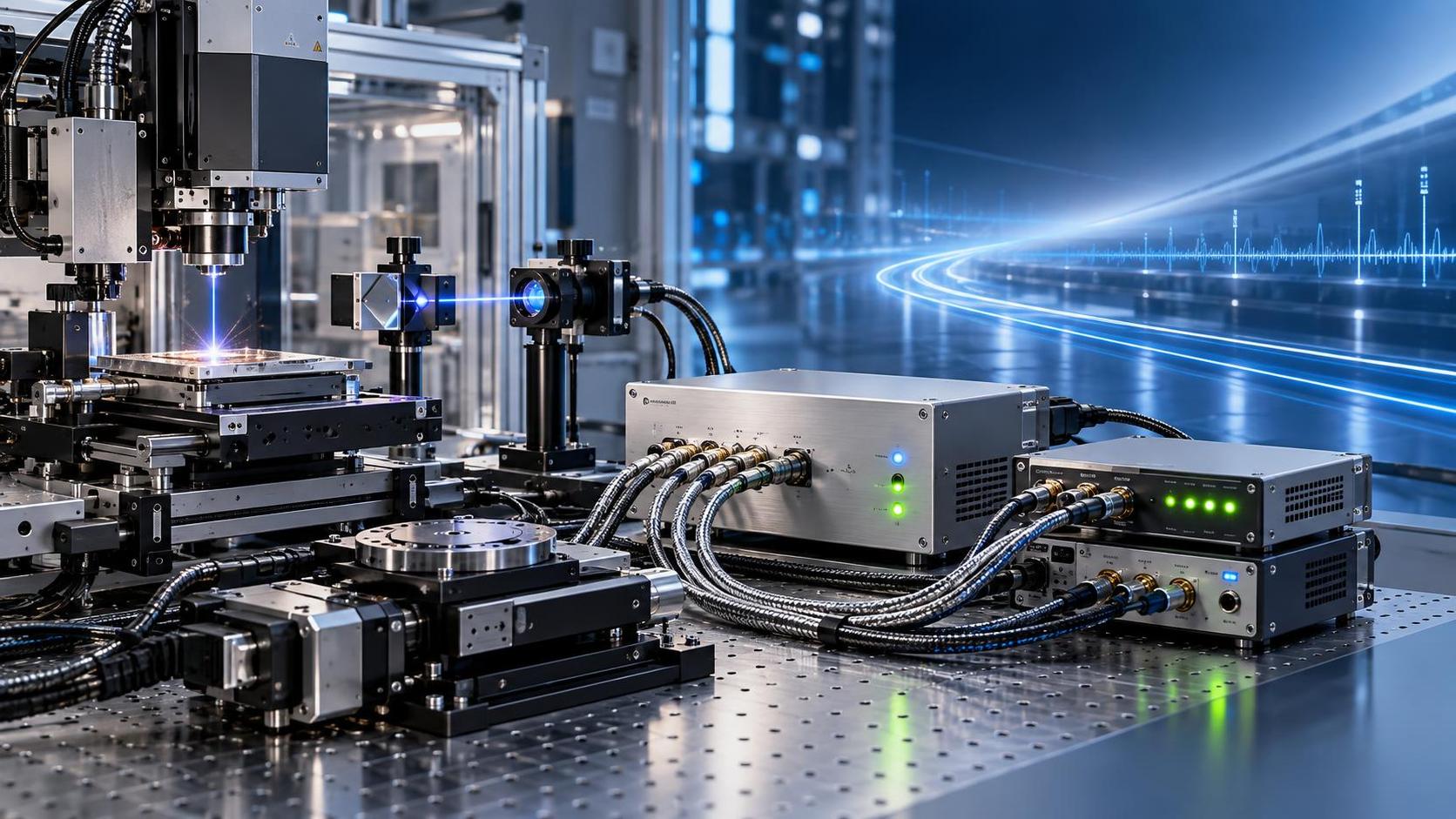
In optical manufacturing equipment, even small timing drift can affect synchronization, data capture, laser control, and inspection consistency.
For this reason, understanding cpt atomic clock failure modes is essential for stable uptime and predictable service performance.
This guide explains typical faults, root causes, warning signs, and preventive actions for long-term reliability in demanding industrial environments.
Understanding the role of a cpt atomic clock
A cpt atomic clock uses coherent population trapping to create a compact and precise frequency reference.
Compared with conventional oscillators, a cpt atomic clock offers better long-term stability, lower drift, and reduced dependence on external synchronization.
In optical manufacturing equipment, this timing source supports coordinated motion, sensor fusion, timestamp integrity, and high-precision control loops.
Its value becomes more obvious where inspection systems, interferometric tools, laser modules, and communication boards must stay aligned.
Core internal elements
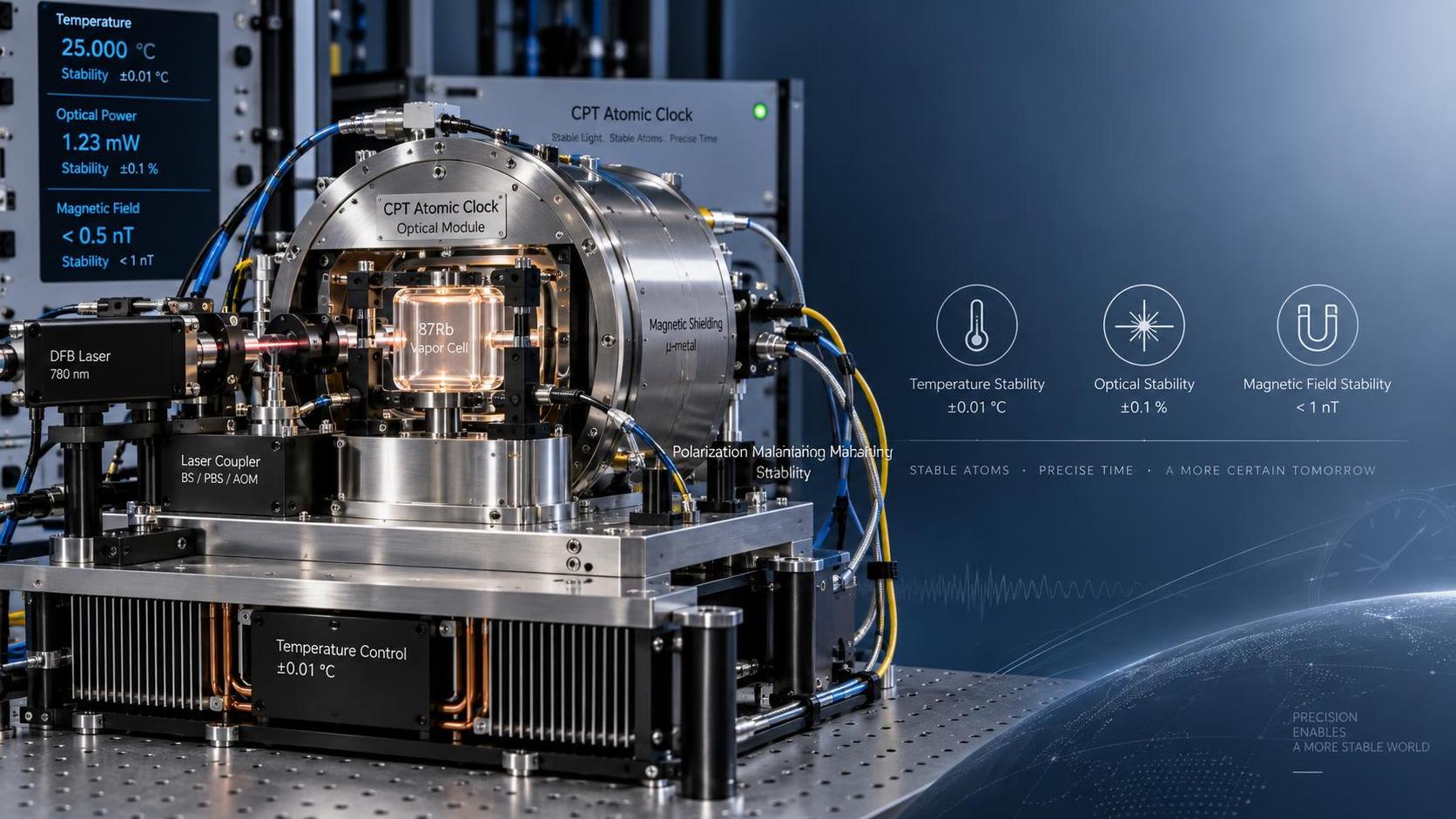
- Physics package and vapor cell
- Laser source and optical path
- Microwave or modulation electronics
- Temperature control loop
- Signal conditioning and locking circuit
- Power supply and output interface
Most cpt atomic clock failures originate from interaction between these subsystems rather than one isolated defect.
Why failure prevention matters in optical manufacturing equipment
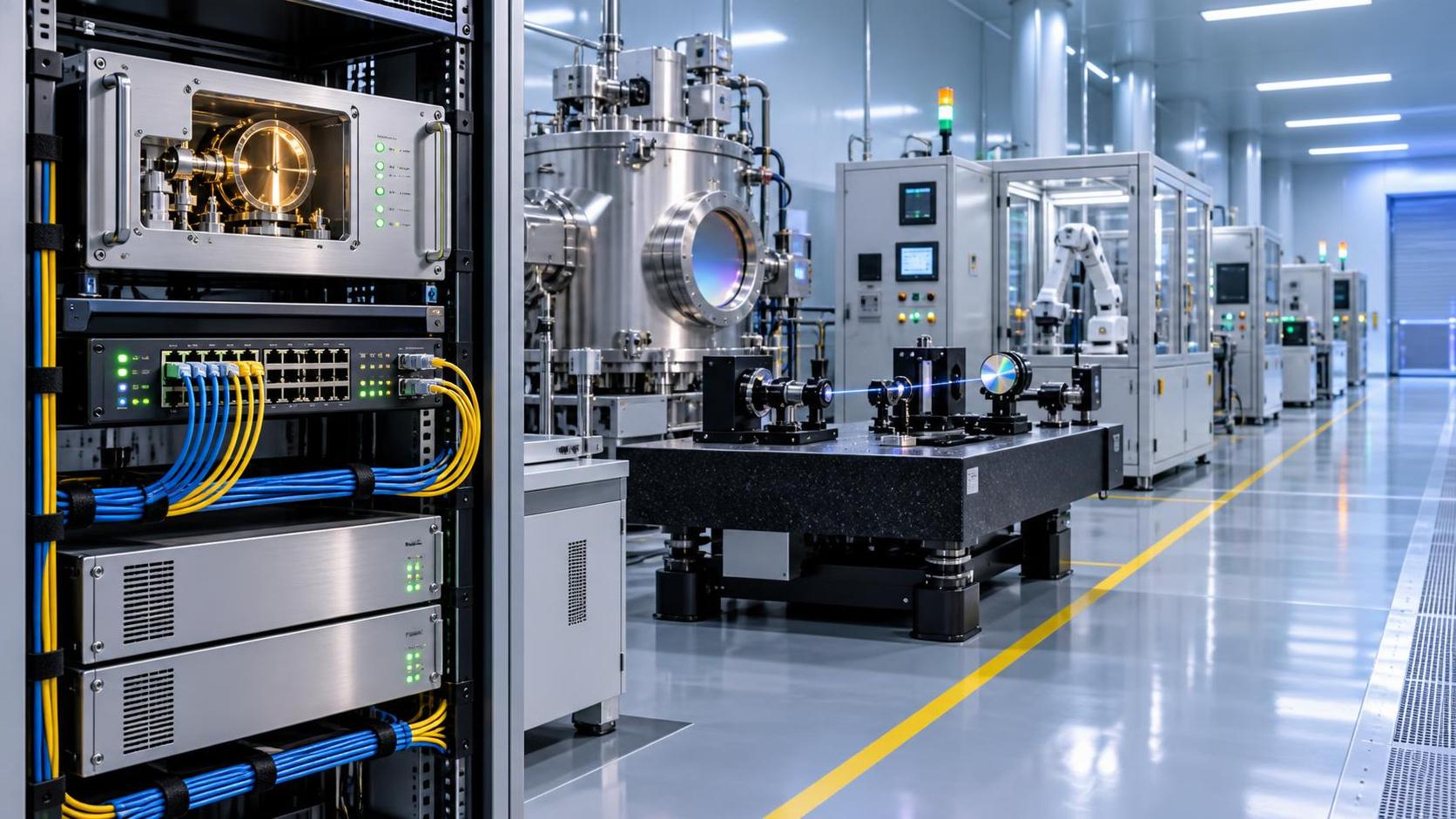
Optical manufacturing equipment often runs under vibration, heat accumulation, electrical noise, and long continuous duty cycles.
These conditions can accelerate cpt atomic clock degradation, especially when preventive maintenance is delayed or installation margins are too narrow.
A stable cpt atomic clock improves process repeatability and reduces hidden losses caused by unstable timing references.
Common cpt atomic clock failures and root causes
The most common cpt atomic clock failures usually appear as drift, startup delay, output interruption, noisy signals, or unstable frequency locking.
Frequency drift beyond specification
This is one of the most reported cpt atomic clock issues in precision equipment.
Causes include aging components, poor thermal management, magnetic interference, and degraded servo tuning.
Failure to lock or repeated relocking
A cpt atomic clock may fail to maintain resonance if the optical signal drops or modulation conditions shift.
Loose connections, laser aging, contaminated optics, and unstable supply rails are frequent contributors.
Abnormal warm-up time
When startup time becomes longer than normal, heater control, insulation integrity, or calibration tables may be affected.
This condition often appears before major cpt atomic clock performance decline.
Output signal noise or jitter increase
In optical manufacturing equipment, excess jitter can distort synchronized measurement and motion timing.
The root cause may sit in the clock itself or in downstream buffering, grounding, or shielding design.
Intermittent communication or monitoring alarms
Not all cpt atomic clock failures are frequency-related.
Some failures involve status reporting, control interfaces, firmware handling, or alarm thresholds set too aggressively.
Early warning signs that should not be ignored
Many cpt atomic clock failures develop gradually and can be detected before complete loss of function.
- Increasing frequency correction values over time
- Longer warm-up or stabilization periods
- Higher phase noise on system measurements
- More frequent lock warnings after vibration events
- Temperature loop activity outside normal baseline
- Random resets after power switching
Trend monitoring is more useful than single-point inspection because many subtle cpt atomic clock problems emerge slowly.
Application value of reliable timing infrastructure
A healthy cpt atomic clock supports more than precise time output.
It strengthens system coordination across metrology modules, optical alignment stages, edge controllers, and industrial communication links.
Reliable timing also improves maintenance planning because faults can be isolated faster when the reference source remains stable.
For high-precision time and frequency providers, all-round solutions matter as much as clock hardware itself.
With strong technical backing and innovation capability, advanced time-frequency solutions help build accurate, stable, low-consumption, and safe space-time infrastructure.
Typical fault scenarios in optical manufacturing equipment
Practical methods to prevent cpt atomic clock failures
Effective prevention combines design discipline, environmental control, regular testing, and data-based maintenance.
Control thermal conditions
Keep the cpt atomic clock away from heat hotspots, airflow turbulence, and rapid ambient temperature changes.
Stable enclosure temperature reduces drift and improves lock margin.
Improve power quality
Use low-noise power conditioning, clean grounding, surge protection, and proper decoupling near the timing module.
Many cpt atomic clock failures are misdiagnosed until supply integrity is verified.
Reduce vibration and connector stress
Install the module on rigid supports and protect cables from bending fatigue or accidental pulling.
Mechanical stability is critical in optical manufacturing equipment with moving stages.
Monitor key health indicators
- Lock status and relock frequency
- Warm-up duration
- Temperature loop current or duty cycle
- Output amplitude and phase noise trend
- Alarm history and firmware events
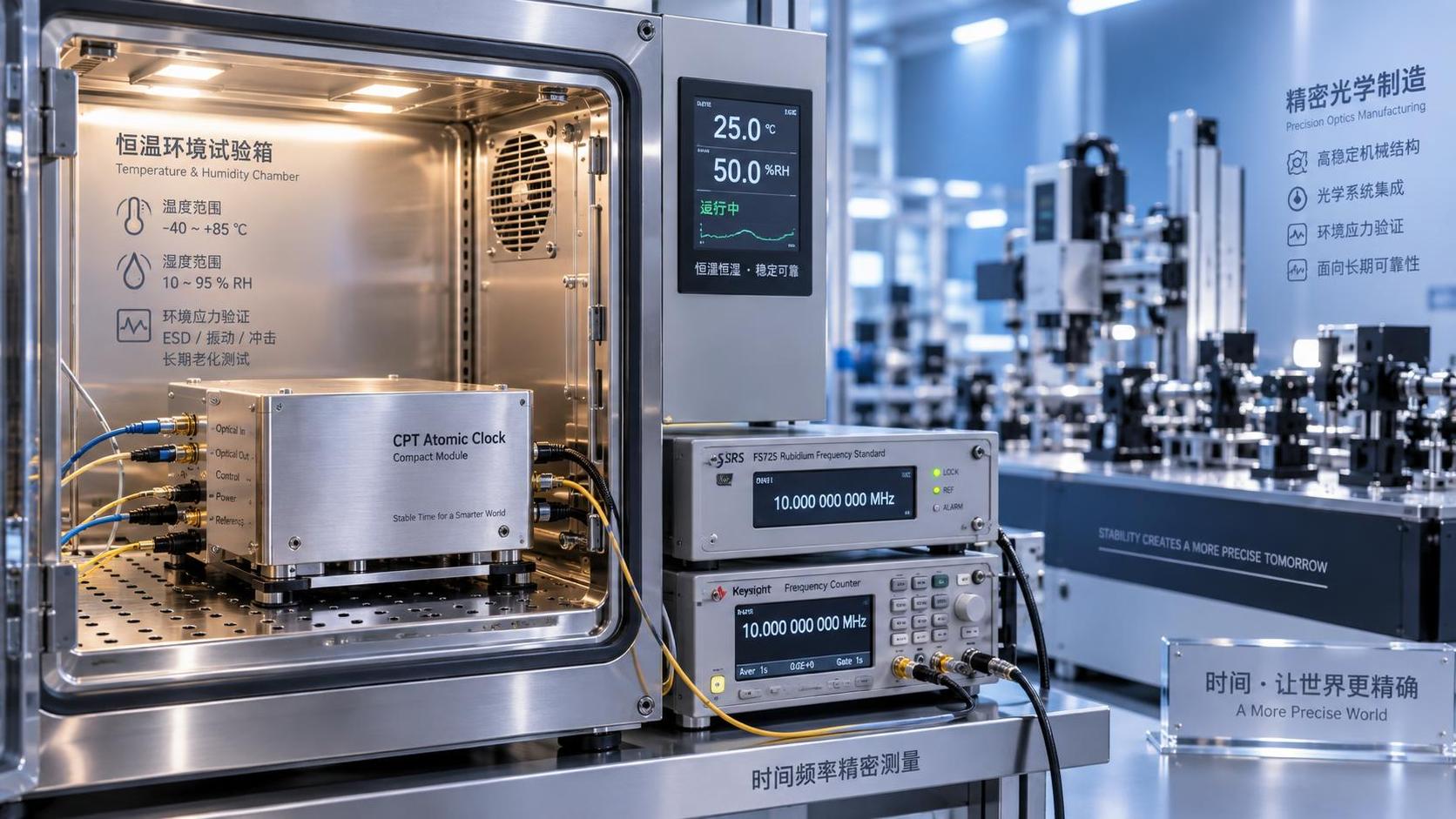
Schedule calibration and verification
Periodic comparison against a trusted reference helps detect slow cpt atomic clock drift before process quality suffers.
Verification intervals should match duty cycle, criticality, and environmental severity.
Maintenance priorities and service notes
Maintenance should focus first on reproducible evidence rather than immediate replacement.
- Confirm symptom timing and operating conditions.
- Check power rails, grounding, and interface integrity.
- Review thermal logs and alarm records.
- Measure output stability against a reference.
- Inspect installation stress and surrounding EMI sources.
This sequence avoids replacing a healthy cpt atomic clock when the real issue sits elsewhere in the system.
Next steps for long-term reliability
Preventing common cpt atomic clock failures requires both robust products and a complete timing strategy.
Start by documenting baseline performance, defining alarm thresholds, and linking timing data to maintenance records.
Then review installation design, power cleanliness, thermal control, and verification intervals across each optical manufacturing equipment platform.
With high-precision time and frequency products supported by comprehensive solutions, stable space-time infrastructure becomes easier to maintain over the full equipment lifecycle.
A well-managed cpt atomic clock reduces downtime, protects precision, and supports safer, lower-consumption, and more dependable industrial operation.
CONTACT US
Please use the form below to get in touch.
If you need a reply we will get in touch as soon as possible.

Equity Code 300152