


Equity Code 300152
RELATED
 When a CPT Clock Is the Right Timing Source for GNSS-Denied InfrastructureSep 20, 2026
 CPT Clock Market Outlook: Demand Drivers in Telecom, Defense, and Edge TimingSep 14, 2026
 What Network Timing Accuracy Do 5G and Data Center Systems Require?Sep 09, 2026
 Rubidium Oscillator Supply Chain Risks in 2026: Geopolitical Constraints on Rb-87 Vapor Cell SourcingSep 07, 2026


MESSAGE
Maximizing the service life of your Optical Pump Cesium Frequency Standard is crucial for maintaining precise timekeeping in critical applications. As a leading provider of high-precision frequency solutions, we understand the importance of reliability and longevity in Rubidium atomic clocks and cesium standards. This guide offers practical maintenance insights to help procurement professionals, facility managers, and technical staff optimize performance while reducing long-term operational costs.
Understanding the Core Components of Optical Pump Cesium Frequency Standards
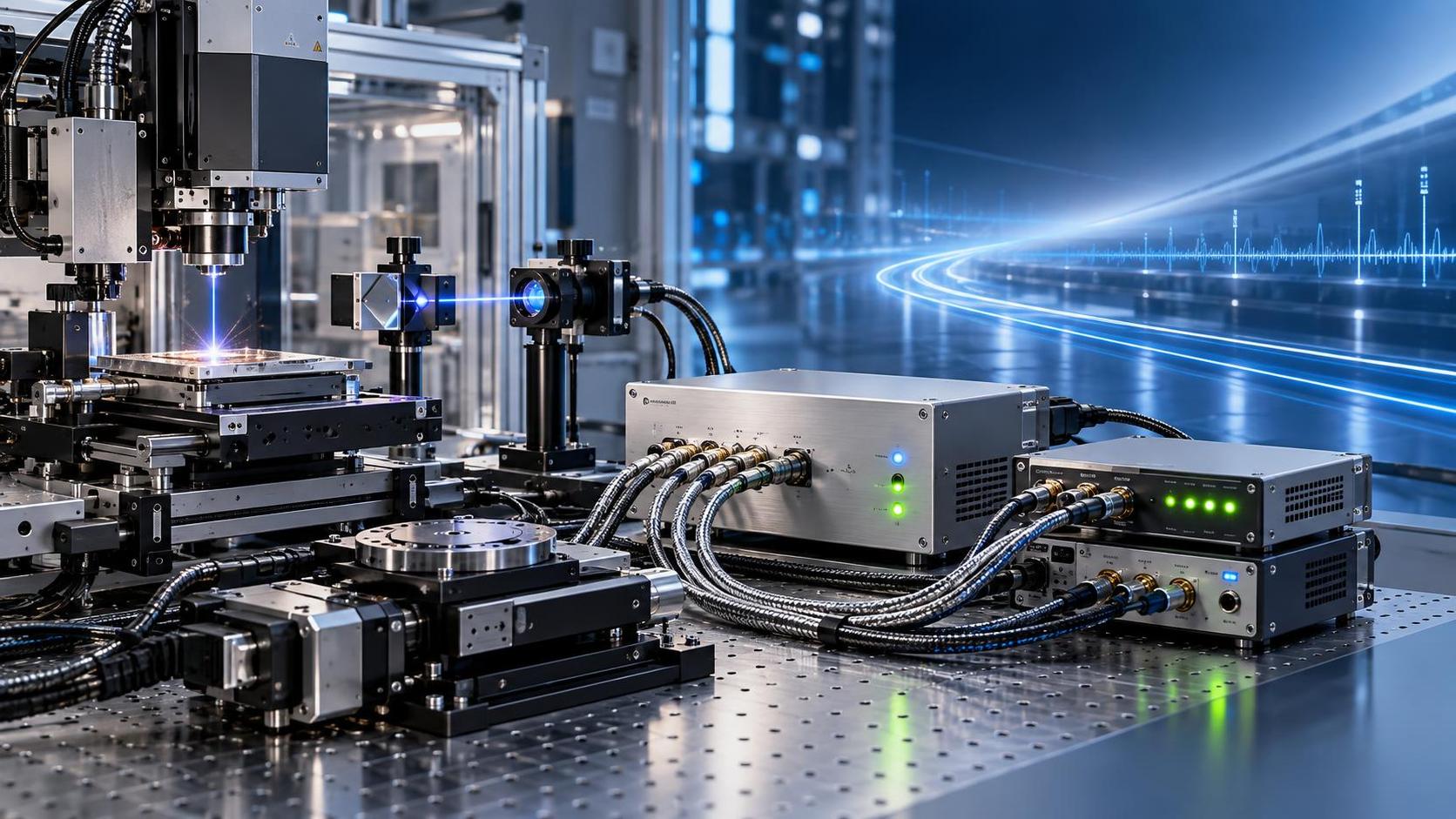
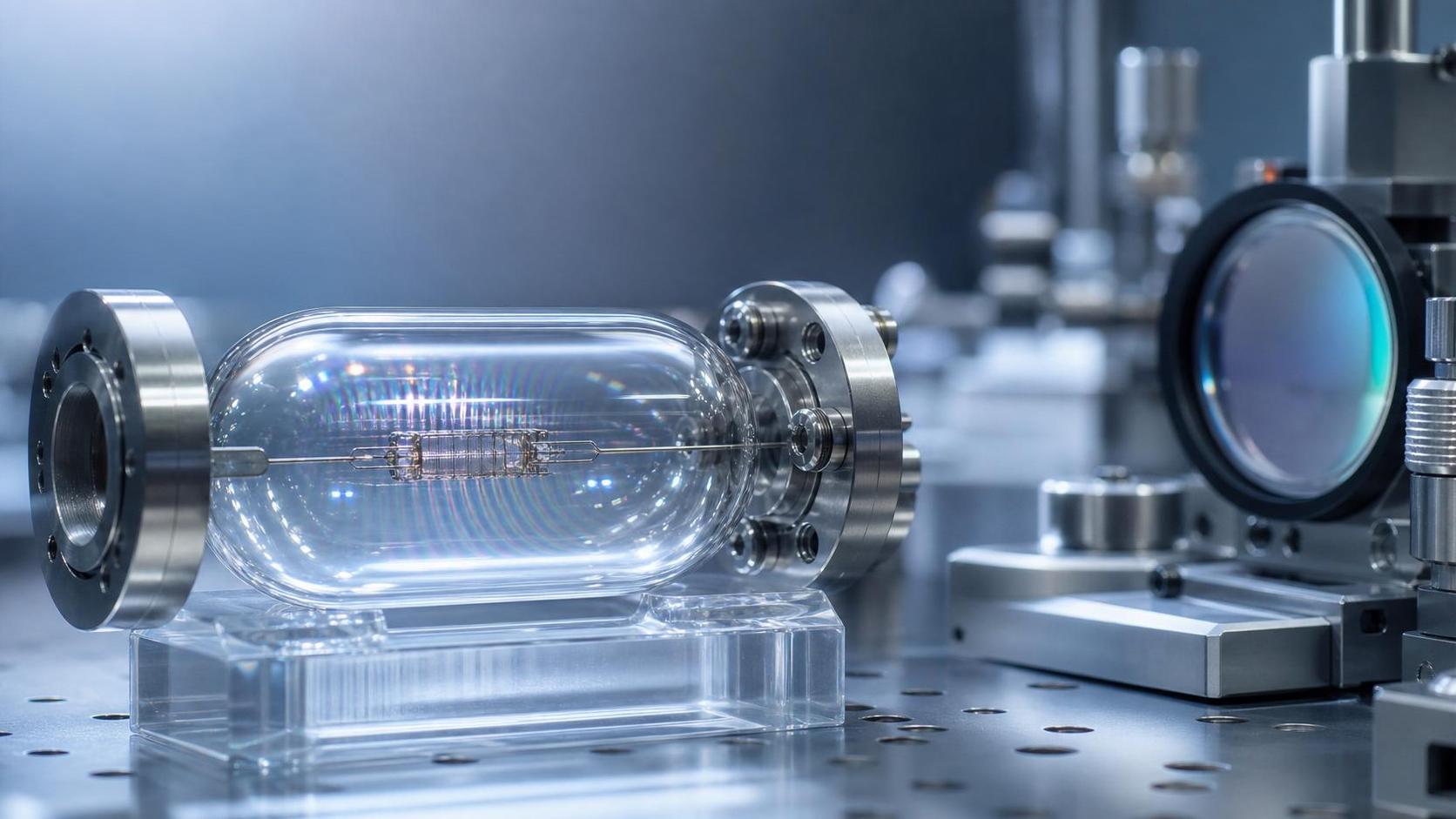
Optical Pump Cesium Frequency Standards are sophisticated devices that rely on the hyperfine transition of cesium atoms to generate highly accurate time signals. These systems are integral to applications requiring ultra-precise synchronization, such as telecommunications, aerospace, and scientific research. The longevity of these devices depends heavily on the proper maintenance of their core components, including the cesium beam tube, optical pumping system, and microwave cavity. Each of these elements must operate within specified parameters to ensure optimal performance. For instance, the cesium beam tube, which is the heart of the frequency standard, requires careful handling to avoid contamination and degradation. Similarly, the optical pumping system must be kept free from dust and other particulates that could interfere with the laser's performance. Understanding these components and their interdependencies is the first step toward extending the service life of your frequency standard.
Best Practices for Environmental Control
Environmental factors play a significant role in the performance and longevity of Optical Pump Cesium Frequency Standards. These devices are highly sensitive to temperature fluctuations, humidity, and electromagnetic interference. To maximize their service life, it is essential to maintain a stable operating environment. Ideally, the temperature should be kept within a narrow range, typically between 20°C and 25°C, to prevent thermal stress on the components. Humidity levels should also be controlled, as excessive moisture can lead to corrosion and other forms of degradation. Additionally, the device should be shielded from electromagnetic interference, which can disrupt the delicate atomic transitions that generate the time signal. Implementing these environmental controls not only extends the life of the frequency standard but also ensures consistent accuracy over time. For facilities operating in less-than-ideal conditions, investing in environmental control systems, such as precision air conditioners and EMI shielding, can provide significant long-term benefits.
Routine Maintenance and Calibration Procedures
Regular maintenance and calibration are critical to the sustained performance of Optical Pump Cesium Frequency Standards. Unlike Rubidium atomic clocks, which are generally more robust and require less frequent calibration, cesium standards demand meticulous attention to detail. A well-structured maintenance schedule should include periodic inspections of the cesium beam tube for signs of wear or contamination, as well as checks on the optical pumping system to ensure proper alignment and functionality. Calibration should be performed at least annually, or more frequently if the device is subjected to harsh operating conditions. During calibration, the frequency output should be compared against a primary standard to verify accuracy. Any deviations should be addressed immediately to prevent cumulative errors. Additionally, it is advisable to keep detailed maintenance records, as these can provide valuable insights into the device's performance trends and help identify potential issues before they escalate. By adhering to a rigorous maintenance regimen, operators can significantly extend the operational life of their frequency standards.
Power Supply and Backup Considerations
The power supply is another critical factor that influences the longevity of Optical Pump Cesium Frequency Standards. These devices require a stable and clean power source to function correctly. Voltage spikes, surges, or interruptions can cause irreversible damage to sensitive components. To mitigate these risks, it is recommended to use uninterruptible power supplies (UPS) and power conditioners. A UPS ensures that the frequency standard continues to operate during brief power outages, while a power conditioner filters out noise and stabilizes the voltage. For facilities in regions with unreliable power grids, investing in a backup generator may also be warranted. Furthermore, the power supply should be periodically inspected for signs of wear or degradation, such as frayed cables or loose connections. By taking these precautions, operators can protect their investment and avoid costly downtime. In comparison, Rubidium atomic clocks are generally more tolerant of power fluctuations, but even they benefit from a stable power environment.
Handling and Transportation Guidelines
Proper handling and transportation are essential to preserving the integrity of Optical Pump Cesium Frequency Standards. These devices are not only expensive but also highly sensitive to mechanical shocks and vibrations. When moving a frequency standard, it is crucial to follow the manufacturer's guidelines meticulously. This typically involves securing the device in its original packaging or a custom-designed shock-absorbing case. The unit should be transported in an upright position to minimize stress on the internal components. Additionally, it is advisable to avoid extreme temperatures during transit, as these can cause thermal expansion or contraction, leading to misalignment or other issues. Upon arrival at the new location, the device should be allowed to acclimate to the ambient temperature before being powered on. These precautions are equally important for Rubidium atomic clocks, although their robust design makes them somewhat less susceptible to damage during transit. By adhering to these guidelines, operators can ensure that their frequency standards remain in optimal condition throughout their lifecycle.
Conclusion and Next Steps
Extending the service life of your Optical Pump Cesium Frequency Standard requires a comprehensive approach that encompasses environmental control, routine maintenance, power supply stability, and careful handling. By implementing these best practices, operators can maximize the reliability and accuracy of their timekeeping systems while minimizing long-term operational costs. As a leading provider of high-precision frequency solutions, we are committed to helping our clients achieve these goals. Whether you are a procurement professional, facility manager, or technical staff member, our team of experts is here to provide the guidance and support you need. To learn more about our solutions or to schedule a consultation, contact us today. Together, we can build a precise, stable, and safe timekeeping infrastructure for your critical applications.
CONTACT US
Please use the form below to get in touch.
If you need a reply we will get in touch as soon as possible.

Equity Code 300152