


Equity Code 300152
RELATED
 CPT Atomic Clock Drift: Diagnosing Temperature, Light, and Magnetic Field EffectsSep 28, 2026
 CPT Atomic Clock Qualification Tests for Stability, Aging, and Environmental StressSep 22, 2026
 When a CPT Clock Is the Right Timing Source for GNSS-Denied InfrastructureSep 20, 2026
 CPT Clock Market Outlook: Demand Drivers in Telecom, Defense, and Edge TimingSep 14, 2026

MESSAGE
For technical buyers evaluating Rubidium atomic clock performance metrics, understanding key specifications is critical for infrastructure reliability. This guide examines essential Optical Pump Cesium Frequency Standard comparisons, stability parameters, and environmental resilience factors that impact precision timing solutions. Discover how advanced rubidium technology delivers the accuracy your aerospace, telecom, or scientific applications demand.
Understanding Rubidium Atomic Clock Performance Metrics
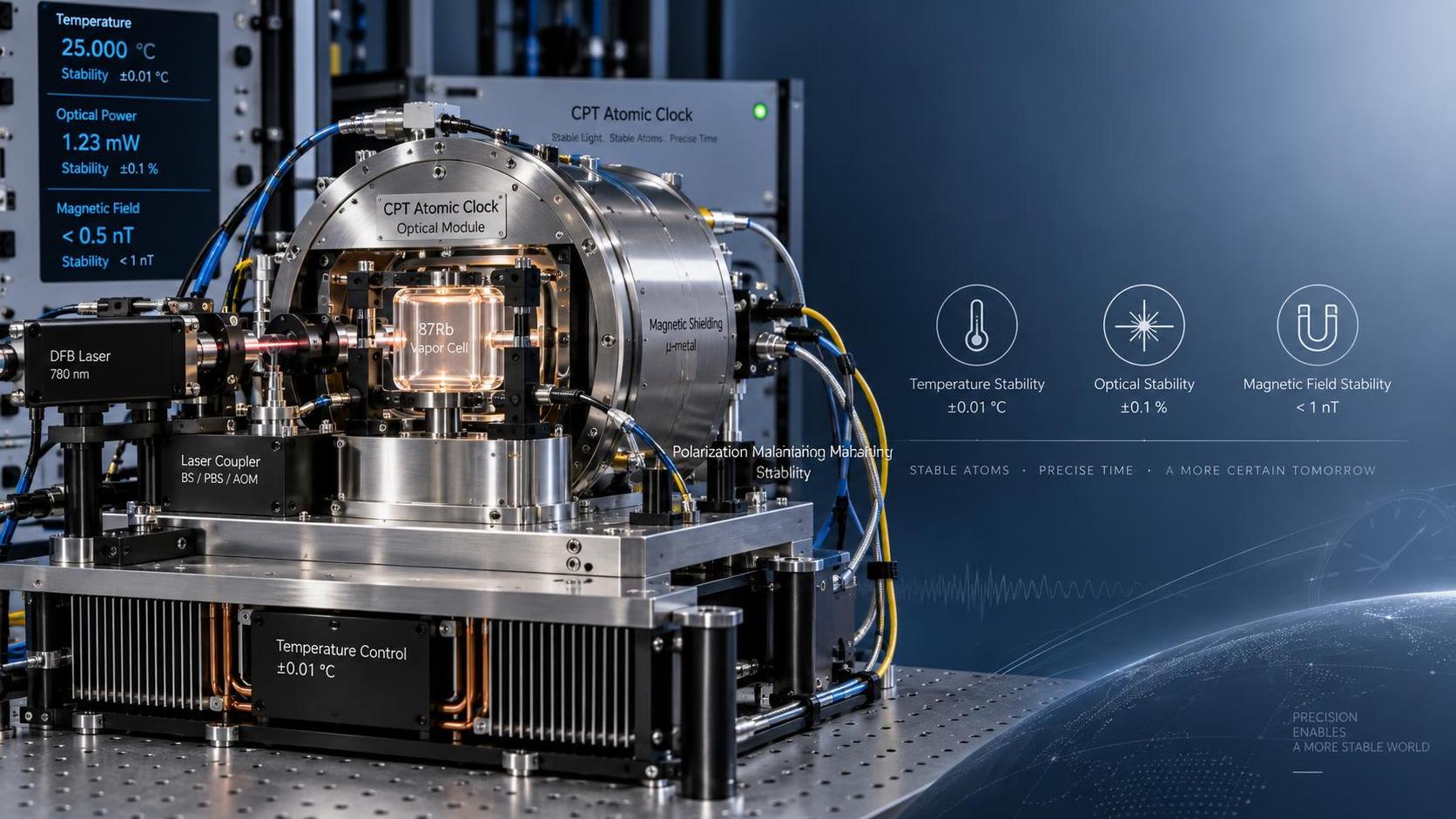
Rubidium atomic clocks are widely used in applications requiring high precision and stability, such as telecommunications, aerospace, and scientific research. When evaluating these devices, technical buyers must consider several critical performance metrics. These include frequency stability, aging rate, temperature sensitivity, and phase noise. Each of these factors plays a vital role in determining the overall reliability and accuracy of the timing solution. For instance, frequency stability, often measured in parts per trillion (ppt), indicates how consistently the clock maintains its frequency over time. Aging rate, on the other hand, refers to the gradual change in frequency over extended periods, typically measured in parts per billion per day (ppb/day). Understanding these metrics ensures that the selected Rubidium atomic clock meets the specific requirements of your application.
Frequency Stability and Its Importance
Frequency stability is one of the most critical parameters for Rubidium atomic clocks. It determines how well the clock can maintain its frequency output over short and long periods. Short-term stability, often referred to as Allan Deviation, is crucial for applications requiring precise synchronization, such as 5G networks and satellite communications. Long-term stability, measured over days or months, is essential for applications like global navigation satellite systems (GNSS) where consistent performance is required over extended periods. When comparing Rubidium atomic clocks to Optical Pump Cesium Frequency Standards, buyers should note that cesium standards generally offer superior long-term stability, while rubidium clocks excel in short-term stability and are more cost-effective for many applications.
Environmental Resilience and Operational Conditions
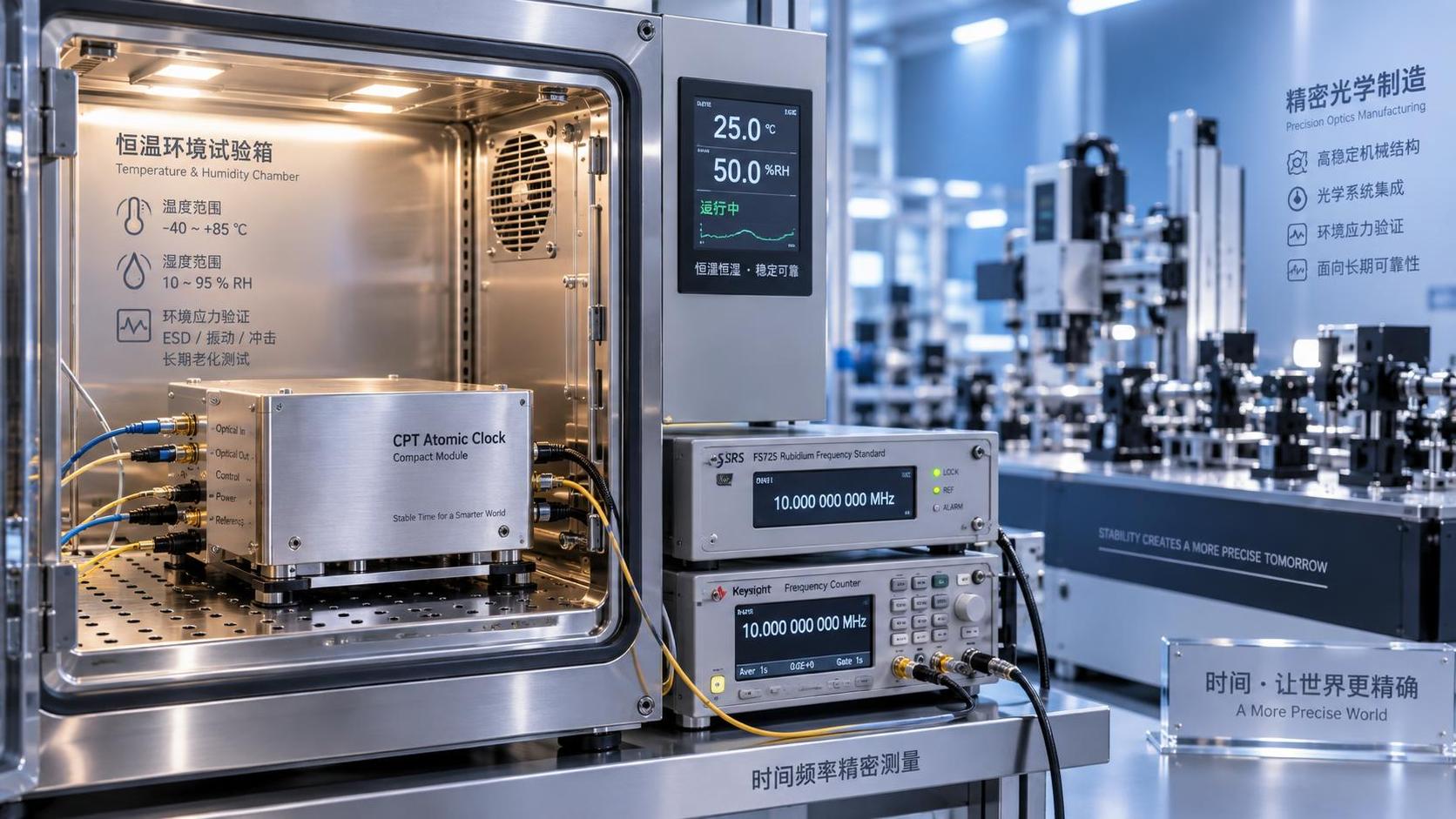
Another key consideration for technical buyers is the environmental resilience of Rubidium atomic clocks. These devices must operate reliably under varying conditions, including temperature fluctuations, humidity, and mechanical vibrations. High-quality rubidium clocks are designed to withstand harsh environments, making them suitable for aerospace and military applications. For example, temperature sensitivity is often specified in parts per billion per degree Celsius (ppb/°C), indicating how much the frequency output may drift with temperature changes. Buyers should also consider the clock's power consumption, especially for battery-operated or portable applications. Advanced rubidium clocks now offer low-power designs without compromising performance, making them ideal for modern infrastructure needs.
Comparing Rubidium and Cesium Frequency Standards
While Rubidium atomic clocks are highly reliable, they are often compared to Optical Pump Cesium Frequency Standards, which are considered the gold standard in precision timing. Cesium standards offer unparalleled long-term stability and accuracy, making them the preferred choice for national timekeeping laboratories and critical infrastructure. However, cesium clocks are typically larger, more expensive, and require more power than rubidium clocks. For many commercial and industrial applications, rubidium clocks provide an excellent balance of performance, cost, and size. Technical buyers must weigh these factors based on their specific needs, such as required accuracy, operational environment, and budget constraints.
Applications and Industry Trends
The demand for precise timing solutions is growing across various industries. In telecommunications, Rubidium atomic clocks are essential for synchronizing 5G networks and ensuring seamless data transmission. In aerospace, these clocks provide accurate timing for satellite navigation and communication systems. Scientific research facilities rely on rubidium clocks for experiments requiring ultra-precise time measurements. Additionally, emerging technologies like quantum computing and IoT are driving the need for more advanced timing solutions. As the industry evolves, manufacturers are focusing on developing rubidium clocks with improved performance, lower power consumption, and smaller form factors to meet these diverse demands.
Key Considerations for Technical Buyers
When selecting a Rubidium atomic clock, technical buyers should consider several factors beyond basic performance metrics. These include the manufacturer's reputation, product reliability, and after-sales support. It's also essential to evaluate the clock's compatibility with existing systems and its ease of integration. For instance, some rubidium clocks offer modular designs, allowing for easy upgrades or replacements. Additionally, buyers should look for certifications and compliance with industry standards, such as ITU-T or MIL-STD, which ensure the device meets rigorous quality and performance criteria. By carefully assessing these aspects, buyers can make informed decisions that align with their operational requirements and long-term goals.
Future Developments in Atomic Clock Technology
The field of atomic clock technology is continuously advancing, with researchers exploring new materials and designs to enhance performance. For example, chip-scale atomic clocks (CSACs) are gaining traction due to their compact size and low power consumption, making them suitable for portable and battery-operated devices. Another promising development is the integration of quantum technologies, which could further improve the accuracy and stability of Rubidium atomic clocks. As these innovations mature, they will open up new possibilities for applications in areas like autonomous vehicles, smart grids, and beyond. Technical buyers should stay informed about these trends to ensure they invest in future-proof solutions.
Conclusion and Next Steps
In summary, Rubidium atomic clocks offer a compelling combination of precision, reliability, and cost-effectiveness for a wide range of applications. By understanding key performance metrics such as frequency stability, aging rate, and environmental resilience, technical buyers can select the optimal timing solution for their needs. Whether comparing Rubidium clocks to Optical Pump Cesium Frequency Standards or evaluating the latest industry trends, it's crucial to consider both current requirements and future advancements. As a leading provider of high-precision time and frequency products, we invite you to explore our cutting-edge Rubidium atomic clock solutions and discover how they can enhance your infrastructure. Contact our team today to learn more or request a customized consultation.
CONTACT US
Please use the form below to get in touch.
If you need a reply we will get in touch as soon as possible.

Equity Code 300152