


Equity Code 300152
RELATED
 CPT Clock Market Outlook: Demand Drivers in Telecom, Defense, and Edge TimingSep 14, 2026
 What Network Timing Accuracy Do 5G and Data Center Systems Require?Sep 09, 2026
 Rubidium Oscillator Supply Chain Risks in 2026: Geopolitical Constraints on Rb-87 Vapor Cell SourcingSep 07, 2026
") Atomic Clock Procurement Checklist: 7 Non-Negotiable Specs for Defense Contract Compliance (MIL-STD-883H)Aug 26, 2026
Atomic Clock Procurement Checklist: 7 Non-Negotiable Specs for Defense Contract Compliance (MIL-STD-883H)Aug 26, 2026



MESSAGE
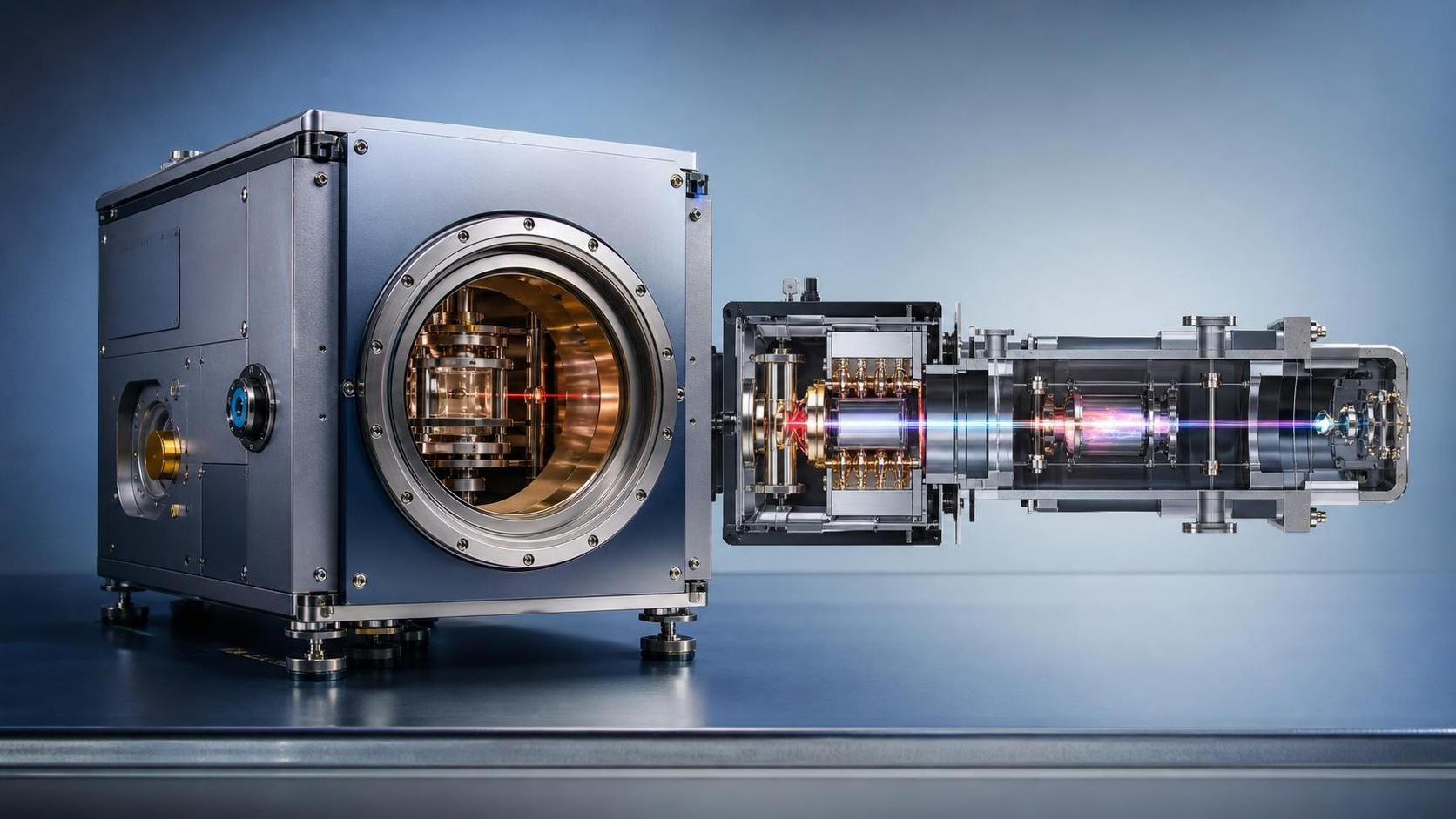
Ensuring long-term reliability of Optical Pump Cesium Frequency Standards requires expert maintenance practices that protect your precision timing investments. As global leaders in atomic clock technology, we share proven maintenance strategies for both Optical Pump Cesium and Rubidium atomic clock systems. Discover how proper care extends equipment lifespan while maintaining nanosecond-level accuracy for critical infrastructure applications.
Understanding the Critical Role of Optical Pump Cesium Frequency Standards
Optical Pump Cesium Frequency Standards (OPCFS) are the backbone of precision timing in industries ranging from telecommunications to aerospace. These devices leverage the hyperfine transition of cesium atoms to achieve unparalleled accuracy, often maintaining stability within nanoseconds over decades. Unlike Rubidium atomic clocks, which offer excellent short-term stability, cesium standards provide the long-term accuracy required for synchronization of global networks and scientific research. The superior performance comes with increased complexity, making proper maintenance protocols essential for protecting your investment.
Preventive Maintenance: Key to Maximizing Operational Lifespan
Implementing a structured preventive maintenance program can reduce downtime by up to 70% according to industry studies. For Optical Pump Cesium Frequency Standard units, this includes:
- Quarterly vacuum system integrity checks to maintain optimal cesium vapor pressure
- Bi-annual optical alignment verification using laser interferometry techniques
- Annual magnetic shielding effectiveness testing to prevent environmental interference
- Continuous temperature stability monitoring with resolution ≤0.01°C
For Rubidium atomic clock systems, maintenance intervals can be extended, but should still include regular cell aging assessments and microwave power level calibrations.
Environmental Considerations for Optimal Performance
Both Optical Pump Cesium Frequency Standards and Rubidium atomic clocks require carefully controlled environments, though their specific needs differ significantly. Cesium standards demand:
Installation in dedicated timing rooms with EMI shielding and precision HVAC systems is recommended for cesium standards, while Rubidium atomic clocks can often function well in standard equipment racks with basic environmental controls.
Calibration Procedures and Traceability
Maintaining metrological traceability to national standards is crucial for both Optical Pump Cesium Frequency Standards and Rubidium atomic clocks. Our recommended calibration protocol includes:
- Annual frequency offset measurement against GPS-disciplined oscillators with ≤1×10-12 uncertainty
- Phase noise characterization up to 10 MHz offset frequency
- Aging rate determination through continuous data logging
- Documentation of all adjustments with NIST-traceable certificates
For Rubidium atomic clocks, the calibration interval can typically be extended to 18-24 months, though environmental stress factors may necessitate more frequent checks.
Troubleshooting Common Issues in Atomic Clock Systems
Even with proper maintenance, both Optical Pump Cesium Frequency Standards and Rubidium atomic clocks may develop operational anomalies. The table below outlines common symptoms and recommended actions:
For critical applications, maintaining a 24/7 monitoring system with automated alerts for frequency deviations exceeding 5×10-12 is strongly recommended.
Extending Service Life Through Proper Component Management
The cesium beam tube represents the core of Optical Pump Cesium Frequency Standards, typically lasting 7-10 years in continuous operation. Proactive management includes:
- Maintaining spare tube inventory for critical installations
- Monitoring tube current and magnetic field parameters
- Scheduling replacements before end-of-life degradation impacts performance
Rubidium atomic clocks generally have longer service intervals, but benefit from regular lamp intensity monitoring and crystal oscillator health checks.
Firmware Updates and Software Maintenance
Modern Optical Pump Cesium Frequency Standards and Rubidium atomic clocks incorporate sophisticated digital control systems requiring regular software attention:
- Quarterly firmware updates for improved algorithms and security patches
- Annual calibration coefficient verification
- Continuous data logging review for predictive maintenance
Conclusion: Protecting Your Precision Timing Investment
Proper maintenance of Optical Pump Cesium Frequency Standards and Rubidium atomic clocks ensures continuous operation at specified accuracy levels while maximizing return on investment. By implementing these best practices—from environmental controls to proactive component management—organizations can achieve reliable timekeeping performance for mission-critical applications.
As an internationally recognized leader in precision timing solutions with over two decades of experience, we offer comprehensive maintenance programs tailored to both Optical Pump Cesium and Rubidium atomic clock systems. Our certified technicians provide on-site service, remote monitoring, and factory refurbishment options to keep your timing infrastructure operating at peak performance.
Contact our timing solutions specialists today to develop a customized maintenance plan for your atomic clock systems, or request our detailed maintenance manual for Optical Pump Cesium Frequency Standards and Rubidium atomic clocks.
CONTACT US
Please use the form below to get in touch.
If you need a reply we will get in touch as soon as possible.

Equity Code 300152