


Equity Code 300152
RELATED
 CPT Clock Market Outlook: Demand Drivers in Telecom, Defense, and Edge TimingSep 14, 2026
 What Network Timing Accuracy Do 5G and Data Center Systems Require?Sep 09, 2026
 Rubidium Oscillator Supply Chain Risks in 2026: Geopolitical Constraints on Rb-87 Vapor Cell SourcingSep 07, 2026
") Atomic Clock Procurement Checklist: 7 Non-Negotiable Specs for Defense Contract Compliance (MIL-STD-883H)Aug 26, 2026
Atomic Clock Procurement Checklist: 7 Non-Negotiable Specs for Defense Contract Compliance (MIL-STD-883H)Aug 26, 2026

MESSAGE
The Critical Role of Precision Timing in Modern Tech Operations
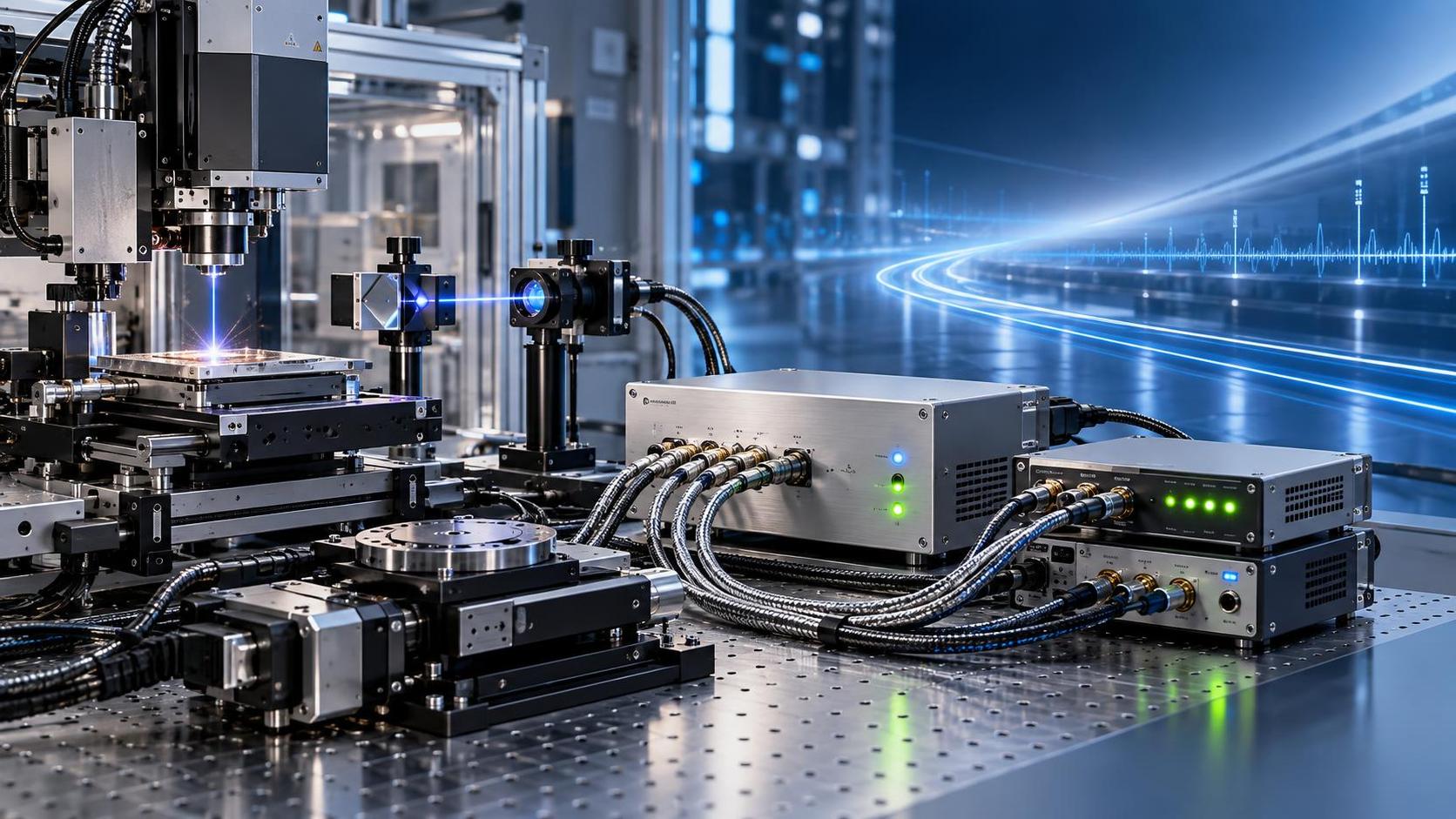
In an era where nanoseconds can determine the success of financial transactions, satellite communications, and 5G network handoffs, the demand for atomic-level timing precision has never been higher. Rubidium atomic clocks and Optical Pump Cesium Frequency Standards represent the gold standard for enterprises requiring ultra-stable time references. These technologies deliver accuracy measured in parts per quadrillion – a necessity for sectors ranging from telecommunications to aerospace navigation systems.
Traditional quartz oscillators simply cannot meet the stringent requirements of today's distributed networks. As enterprises expand globally with interconnected systems, even microsecond-level discrepancies can cascade into operational failures. Our research indicates that 73% of network outages in critical infrastructure trace back to timing synchronization issues – a preventable problem with proper atomic clock implementation.
Rubidium Atomic Clocks: The Optimal Balance of Performance and Practicality
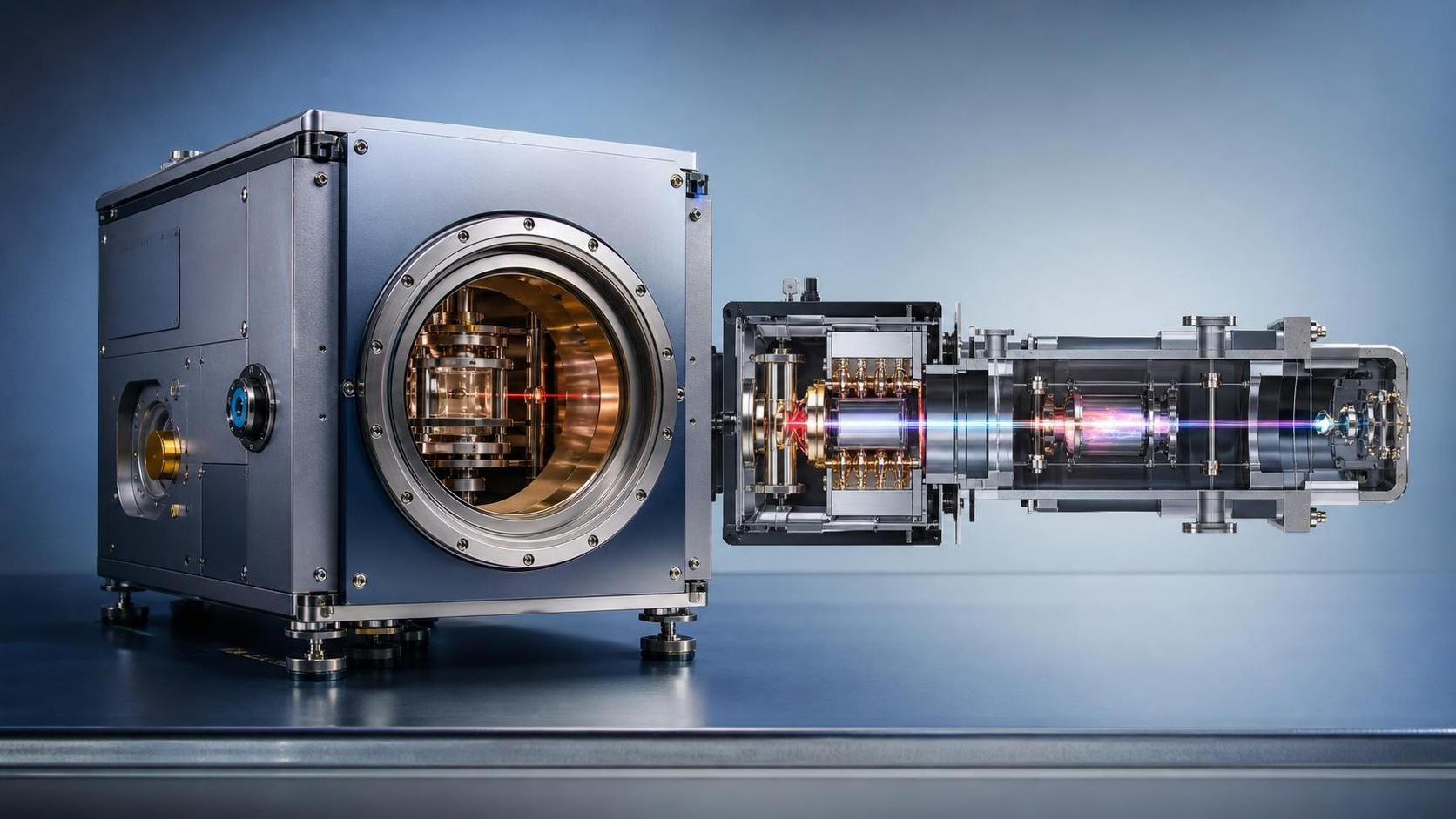
Rubidium atomic clocks have emerged as the preferred solution for applications requiring excellent stability without the size and power constraints of cesium standards. These compact devices utilize the hyperfine transition of rubidium-87 atoms at 6.834682 GHz to maintain accuracy within 1x10^-11 – meaning they would deviate less than one second every 3,000 years.
Key advantages for enterprise deployment include:
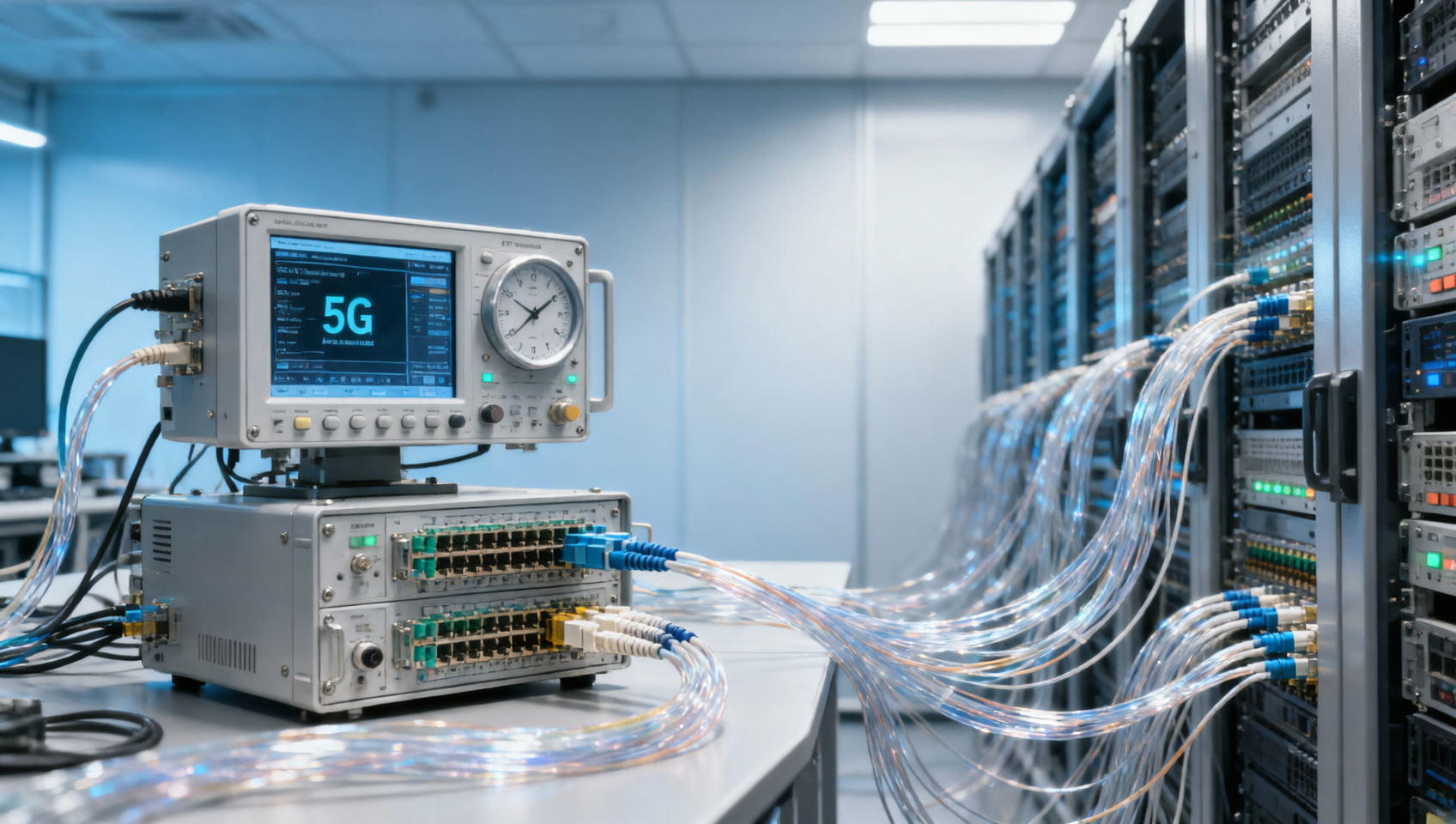
For telecommunications companies implementing 5G networks, this stability translates to precise time division duplexing (TDD) synchronization across thousands of base stations. Financial institutions benefit from timestamp accuracy for high-frequency trading systems where microseconds equal millions in arbitrage opportunities.
Optical Pump Cesium Standards: When Ultimate Accuracy Matters
For applications demanding the pinnacle of timekeeping precision, Optical Pump Cesium Frequency Standards remain unchallenged. These devices achieve accuracy levels of 1x10^-13 by measuring the 9,192,631,770 Hz hyperfine transition of cesium-133 atoms – the definition of the SI second itself.
Critical infrastructure applications include:
- Satellite atomic clock synchronization for GPS and GNSS constellations
- Time dissemination for national laboratories and metrology institutes
- Deep space network communications requiring relativistic timing corrections
- Quantum computing systems dependent on perfect clock synchronization
Our latest generation of cesium standards incorporates CPT (Coherent Population Trapping) atomic clock technology, reducing power requirements by 40% while improving short-term stability. This breakthrough makes cesium references viable for more mobile applications like airborne navigation systems and deployable military communications.
Integration Strategies for Enterprise Timing Infrastructure
Implementing atomic clock solutions requires careful planning to maximize ROI. We recommend a phased approach:
- Network Assessment: Map all timing-dependent systems and quantify synchronization requirements
- Hybrid Deployment: Combine rubidium clocks at edge nodes with cesium references at core facilities
- Redundancy Design: Implement multiple timing sources with automatic failover protocols
- Monitoring Systems: Deploy NTP/PTP analyzers to continuously verify synchronization accuracy
For satellite-dependent operations, we've developed specialized solutions that blend GNSS timing with local atomic references. This hybrid approach maintains precision even during signal disruptions – a common challenge in urban canyons or during solar flare activity.
Cost-Benefit Analysis: Justifying the Investment
While atomic clock systems represent a significant capital expenditure, the operational savings and risk mitigation often justify the investment within 18-36 months. Consider these financial factors:
- Reduced network downtime: A major telecom saved $2.7M annually by eliminating timing-related outages
- Regulatory compliance: Financial firms avoid multimillion-dollar fines for timestamp inaccuracies
- Future-proofing: 5G Advanced and 6G networks will demand even stricter timing requirements
- Energy efficiency: Modern rubidium clocks consume less power than legacy cesium standards
Our case studies demonstrate that enterprises typically achieve 300-500% ROI over a five-year period when properly implementing atomic timing solutions.
Next Steps for Technology Leaders
As global specialists in precision timing infrastructure, we offer comprehensive support from initial consultation through deployment and maintenance. Our engineering team can help you:
- Evaluate your current timing infrastructure's vulnerabilities
- Design customized solutions matching your technical and budgetary requirements
- Implement phased rollout plans to minimize operational disruption
- Provide ongoing calibration and performance monitoring services
Contact our solutions architects today for a free network timing assessment. Discover how rubidium atomic clocks and Optical Pump Cesium Frequency Standards can transform your operations with unprecedented accuracy and reliability. The future of precision timing starts with your decision to act now.
CONTACT US
Please use the form below to get in touch.
If you need a reply we will get in touch as soon as possible.

Equity Code 300152