


Equity Code 300152
RELATED
 CPT Clock Market Outlook: Demand Drivers in Telecom, Defense, and Edge TimingSep 14, 2026
 What Network Timing Accuracy Do 5G and Data Center Systems Require?Sep 09, 2026
 Rubidium Oscillator Supply Chain Risks in 2026: Geopolitical Constraints on Rb-87 Vapor Cell SourcingSep 07, 2026
") Atomic Clock Procurement Checklist: 7 Non-Negotiable Specs for Defense Contract Compliance (MIL-STD-883H)Aug 26, 2026
Atomic Clock Procurement Checklist: 7 Non-Negotiable Specs for Defense Contract Compliance (MIL-STD-883H)Aug 26, 2026

MESSAGE
Before investing in a cpt atomic clock, buyers should verify accuracy, aging rate, holdover behavior, power demand, and interface fit.
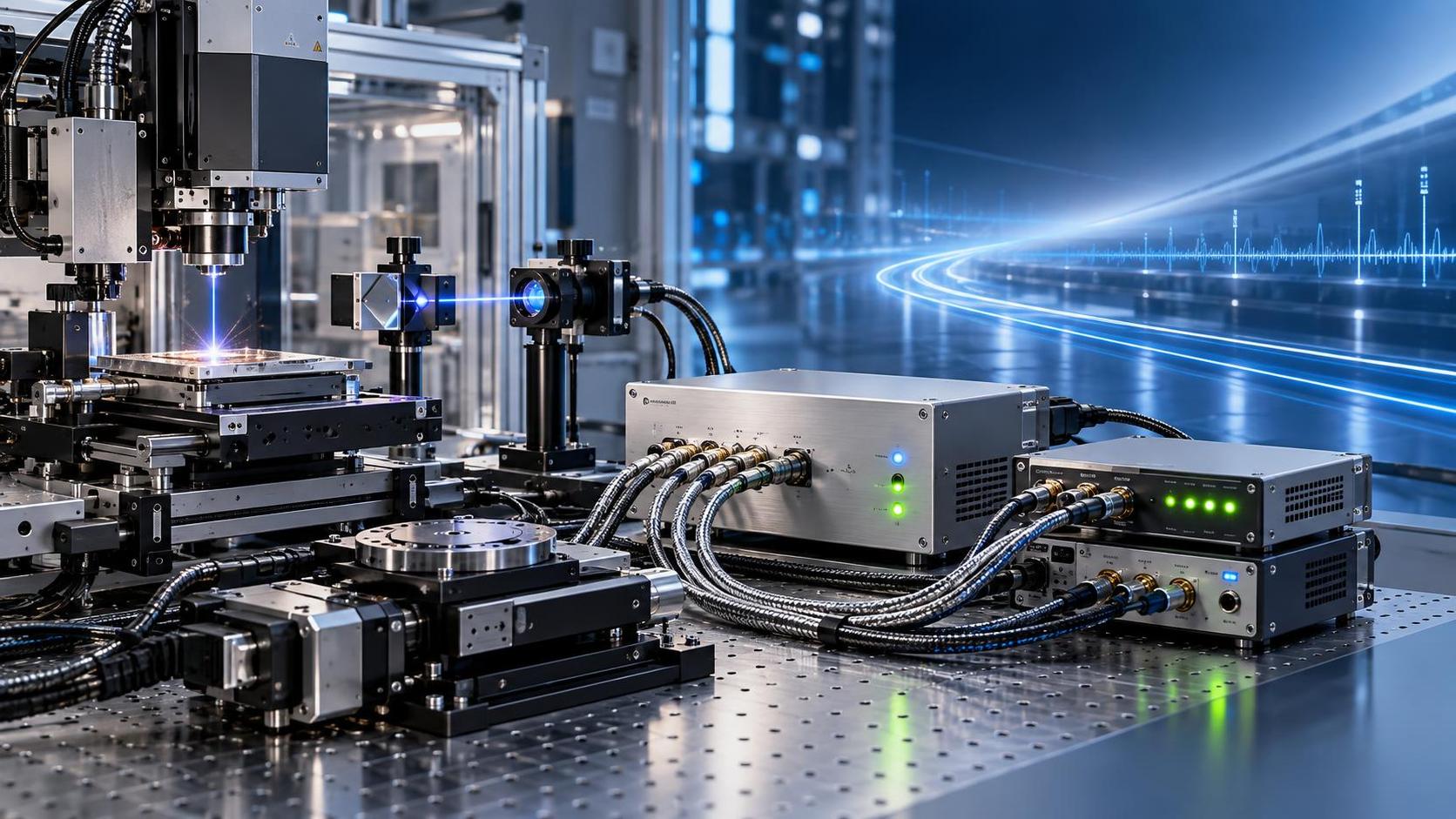
In optical manufacturing equipment, timing quality affects motion control, laser synchronization, metrology repeatability, and data correlation across distributed systems.
A poor timing source can increase drift, maintenance cost, calibration burden, and operational risk.
A well-chosen cpt atomic clock supports accurate, stable, low-power, and secure time-frequency infrastructure over the full equipment lifecycle.
What does a cpt atomic clock mean in optical manufacturing equipment?
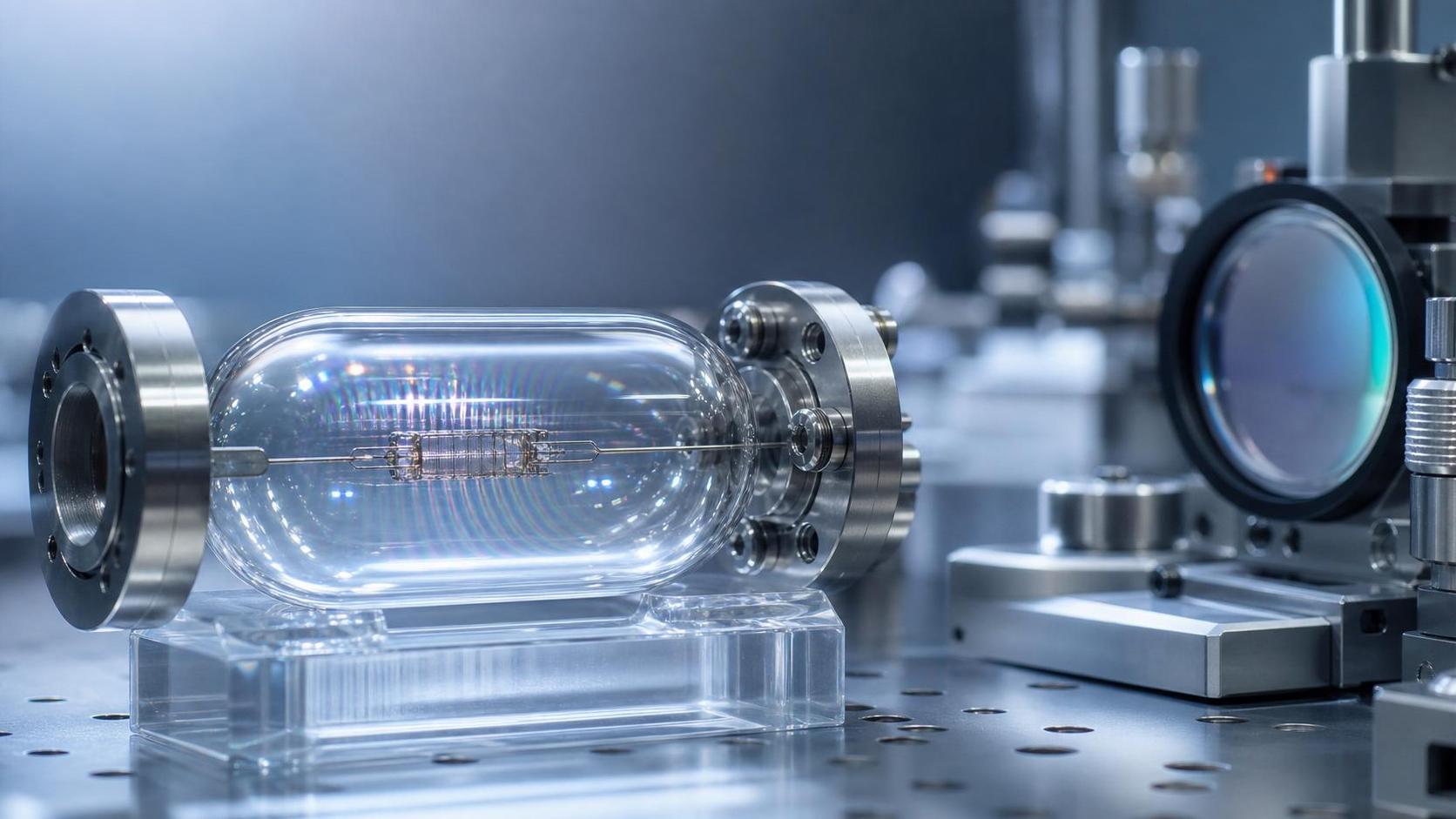
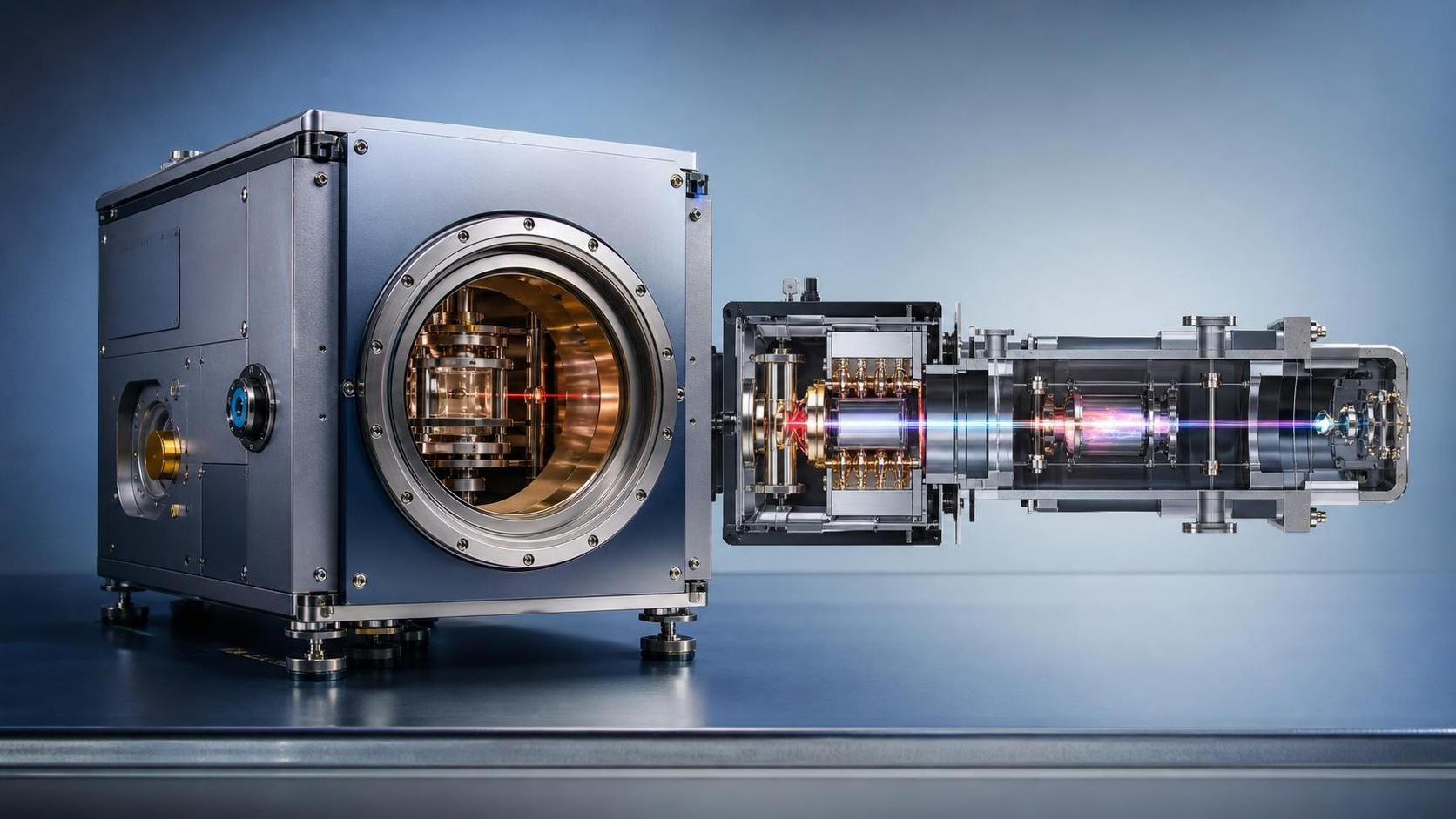
A cpt atomic clock uses coherent population trapping technology to generate a highly stable frequency reference in a compact form.
Compared with conventional quartz timing, it offers far better long-term stability and reduced sensitivity to environmental changes.
In optical manufacturing equipment, this matters whenever subsystems must stay synchronized over long periods without frequent recalibration.
Typical examples include interferometric measurement platforms, precision laser processing stations, optical inspection systems, and distributed control cabinets.
The key value is not just “keeping time.” It is maintaining a trusted frequency baseline for control, measurement, and signal alignment.
That baseline can improve repeatability, traceability, and uptime in precision production environments.
Which technical specifications should you check first before buying a cpt atomic clock?
Start with the specifications that directly influence your system error budget, not just the headline frequency stability number.
1. Short-term and long-term stability
Short-term stability affects near-real-time synchronization and signal purity in fast optical control loops.
Long-term stability determines how well the cpt atomic clock holds performance across hours, days, and maintenance intervals.
2. Accuracy and calibration traceability
Check initial frequency accuracy and whether the supplier provides calibration data tied to recognized standards.
Traceability is important for metrology-heavy optical equipment and quality audits.
3. Aging rate
Aging describes slow frequency drift over time. Lower aging usually means fewer correction events and more predictable lifecycle performance.
4. Warm-up and lock time
Fast startup can matter in systems with intermittent power modes, backup switching, or field deployment constraints.
5. Output type and interface
Verify frequency outputs, timing outputs, electrical levels, communication ports, and monitoring functions.
A strong cpt atomic clock on paper still fails if it cannot integrate cleanly with control boards or timing modules.
- Ask for Allan deviation data, not only marketing summaries.
- Review holdover curves under realistic operating durations.
- Confirm voltage range and transient tolerance.
- Check alarm reporting and health monitoring options.
How do environmental conditions affect cpt atomic clock performance?
Optical manufacturing equipment often runs near heat sources, vibration points, airflow variation, and electromagnetic noise.
These conditions can influence any timing source, including a cpt atomic clock.
Temperature range
Check the specified operating and storage temperature ranges, plus stability across the full thermal envelope.
Do not assume laboratory ratings match cabinet-level industrial conditions.
Shock and vibration
Motion stages, vacuum pumps, and nearby actuators can introduce vibration that degrades timing consistency.
Request vibration test information if the device sits close to moving optical assemblies.
EMI and power quality
Sensitive timing circuits can be affected by noisy power rails and electromagnetic interference from drives or RF modules.
Good shielding, filtering, and board layout support are therefore part of clock selection.
For optical inspection and laser systems, environmental tolerance often matters as much as nominal performance.
How can you judge integration compatibility and system fit?
The best cpt atomic clock is the one that fits electrical, mechanical, thermal, and software constraints without redesign burden.
Electrical compatibility
Match supply voltage, current draw, output frequency, signal format, and phase noise requirements to your downstream electronics.
Mechanical constraints
Review footprint, connector type, mounting method, and service access inside compact optical equipment racks or modules.
Thermal management
Even a low-power device adds heat. Check airflow conditions and thermal coupling with nearby lasers, sensors, or DSP boards.
Software and diagnostics
Remote monitoring, status reporting, and fault alarms simplify maintenance and support predictive service strategies.
Integration questions should be answered before purchase, not during commissioning delays.
What common risks and buying mistakes should you avoid?
Several mistakes appear repeatedly when selecting a cpt atomic clock for precision equipment.
- Choosing by initial price only, while ignoring calibration cost and replacement risk.
- Using brochure values without checking test conditions and measurement methods.
- Overlooking holdover performance during GNSS loss or external reference interruption.
- Ignoring power-up behavior in systems that cycle between operating modes.
- Assuming every compact atomic source suits harsh industrial cabinets.
Another risk is weak supplier support after delivery. Timing products often need application guidance during system integration.
A trusted supplier should provide technical data, response speed, lifecycle commitment, and a clear quality process.
For mission-critical optical systems, supply continuity can be as important as clock performance.
How do you compare suppliers and evaluate total value?
Supplier evaluation should extend beyond datasheets. A cpt atomic clock is a strategic timing component, not a simple commodity.
Look for proven expertise in time and frequency products, stable manufacturing capability, and support for global projects.
High-tech providers with deep technical backgrounds can reduce integration risk and shorten validation cycles.
This is especially useful in optical manufacturing equipment, where timing interacts with sensing, control, and safety functions.
A capable partner can also offer broader time-frequency solutions for system expansion, redundancy, and secure synchronization architecture.
Quick FAQ: what should you ask before selecting a cpt atomic clock?
Selecting the right cpt atomic clock starts with a clear definition of system timing needs and environmental constraints.
Then compare real performance data, integration fit, lifecycle support, and total ownership cost.
For optical manufacturing equipment, the right choice can improve synchronization quality, reduce service pressure, and strengthen process consistency.
If the project demands accurate, stable, low-consumption, and safe timing infrastructure, request detailed technical documentation and application guidance before final selection.
That step will help align the cpt atomic clock with present requirements and future system expansion.
CONTACT US
Please use the form below to get in touch.
If you need a reply we will get in touch as soon as possible.

Equity Code 300152